Zero Gravity Massage Chair: What the Recline Actually Changes
A zero gravity massage chair reclines so your legs rise and back pressure drops. Useful for longer sessions, not a must for every buyer.
By Alex Turner
Recoverypicks is reader-supported. As an Amazon Associate we earn from qualifying purchases. Learn more.
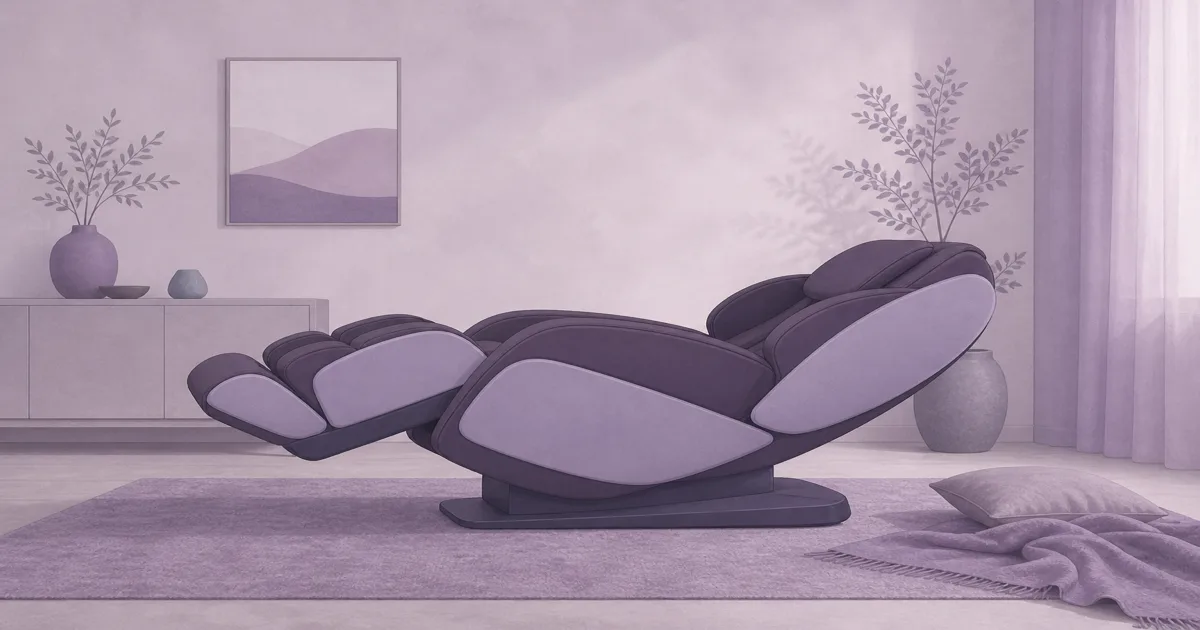
The short answer: A zero gravity massage chair reclines so your legs rise and your back shares weight more evenly. Choose it when longer, unloaded sessions matter. If you mostly want strong rollers while sitting more upright, prioritize track and intensity instead.
“Zero gravity” sounds like marketing fluff until you feel the recline. This guide explains what a zero gravity massage chair changes, who benefits, and what to measure before you buy. It is a research-based explainer for US home buyers, not a claim that one recline angle fixes every back issue.
For the full chair shopping framework, use best massage chair. For heat and cold gear that often sits in the same recovery corner, see best infrared sauna and best cold plunge. More guides are on the blog.
What zero gravity means on a massage chair
In furniture language, zero gravity recline elevates the legs and tilts the torso so pressure on the lower back often feels lower than in a standard upright sit. Massage chairs borrow that recline idea and then run rollers and airbags while you are in that position.
It is not literal weightlessness. It is a body position. Some chairs offer multiple recline angles, including a labeled zero gravity preset. Others recline deeply without using the phrase. Judge the angle and comfort, not only the badge.
What actually improves for many users
Common reasons people like the recline:
- Longer sessions feel less “sat on” in the lumbar area
- Legs elevated can feel better after long standing or travel days
- Full programs feel more like a recovery break than a stiff upright massage
What it does not automatically fix:
- Weak roller coverage on your neck
- No intensity control
- A chair that is too narrow or too short for your height
- A footprint that blocks the hallway when open
If the rollers miss your problem area, zero gravity will not invent coverage.
Who should prioritize zero gravity
Lean toward a zero gravity massage chair if:
- You want 15 to 30 minute sessions, not quick five-minute blasts
- Your lower back complains in upright chairs
- You like the feeling of legs elevated during recovery
- You have room for a deeper recline footprint
You can skip the feature if:
- You prefer a more upright posture for neck-focused work
- Your room has almost no rear clearance
- Getting out of a deep recline feels awkward for your knees or hips
- You are buying mainly for short, targeted shoulder sessions
Be honest about how you sit today. A feature you will leave half-reclined every time is not earning its floor space.
Room fit changes with the recline
Deep recline is where many purchases fail. Measure:
- Depth fully open, including footrest
- Gap needed behind the backrest
- Side clearance for the remote and for standing up
- Ceiling fans or shelves that collide with a raised footrest path
Also check floor grip. On slick hard floors, a heavy chair can creep when the mechanism opens. Furniture pads or the maker’s anti-slip guidance help.
If the room only works with the chair jammed against a wall, you may need a different model or a different room. Wall-hugging designs exist in some lines, but you still verify numbers instead of trusting a lifestyle photo.
How to compare listings without getting lost
When two chairs both claim zero gravity, compare:
Zero gravity is one line on your checklist. It should not outrank rollers, size, and noise for most buyers.
Comfort and safety notes
Stand up slowly after a deep session. Give yourself a moment before walking on a soft rug. Keep the remote where you can reach it without twisting hard while reclined.
If you have medical constraints, talk with a clinician before using aggressive massage programs or deep recline as a recovery tool. This site is for shopping clarity, not treatment plans.
Pets and kids should stay clear of moving footrests. The mechanism is not a toy.
How this fits the broader chair decision
Use this order:
- Body areas and roller track (best massage chair)
- Intensity and noise tolerance
- Whether zero gravity recline is a real weekly need
- Room measurements for the open chair
- Budget for the features you will use
That order keeps you from buying a beautiful recline attached to mediocre rollers.
A quick week-one test plan
After delivery, run three short sessions before you decide the recline is “not for you.”
- Night one: Mid intensity, half recline, ten minutes. Check neck reach and remote comfort.
- Night two: Full zero gravity preset if available, same intensity, fifteen minutes. Note lumbar pressure and exit ease.
- Night three: Your usual target length. Adjust only one variable (intensity or angle).
If night two feels worse than night one for reasons unrelated to rollers, the deep angle may not earn a permanent slot in your routine. If night two feels clearly better and exit is fine, keep the preset.
Bottom line
A zero gravity massage chair is worth it when longer, elevated-leg sessions are part of your routine and your room can handle the open footprint. It is optional when upright comfort and roller coverage matter more. Start with best massage chair, then browse other recovery guides on the blog or homepage.
Frequently Asked Questions
What does a zero gravity massage chair do?
It reclines so your thighs and back share load differently, with legs elevated relative to a normal sit. Many people feel less low-back pressure during longer massage programs.
Is zero gravity required for a good massage chair?
No. Roller coverage and intensity still matter more. Zero gravity helps when you want a deeper recline and longer unload sessions. Skip it if you prefer a more upright sit.
Does zero gravity take more floor space?
Usually yes when fully open. The footrest and back need room. Measure reclined depth and rear clearance before you buy. See the room section in best massage chair.
Can everyone use a zero gravity recline?
Most healthy adults can, but getting in and out of a deep recline is harder for some people. If mobility is limited, test the entry path carefully and keep a return option.
Is zero gravity the same as a nap chair?
Related idea, different product. Massage chairs add rollers, airbags, and programs. A nap-only recliner will not replace roller coverage on your back.