Best Home Sauna: Infrared vs Traditional and How to Choose
The best home sauna matches your heat style, doorway path, and electrical reality. Compare infrared and traditional options before you commit floor space.
By Harper Lin
Recoverypicks is reader-supported. As an Amazon Associate we earn from qualifying purchases. Learn more.
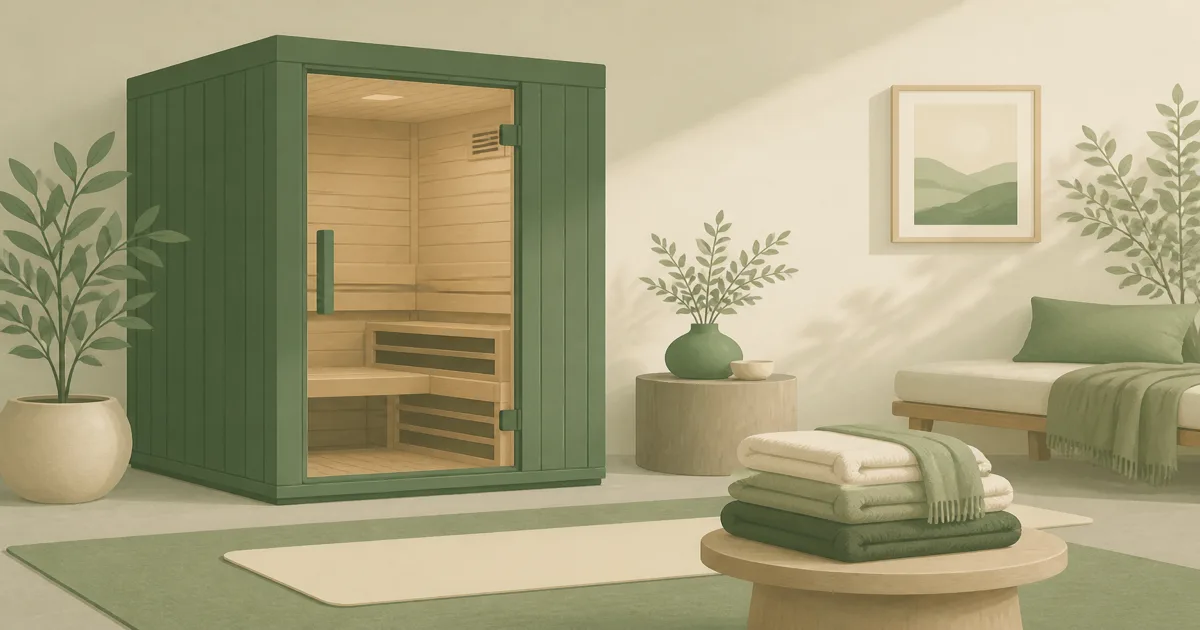
The short answer: The best home sauna is the one that matches your preferred heat style and the room you actually have. Pick infrared for many indoor cabins, or traditional heat when you want hotter air and accept a tougher install. Size and power beat accessory lists.
Home sauna shopping mixes wellness language with contractor details. This guide helps US buyers choose the best home sauna by heat type, size, power, and ownership friction. It is research-based from common product categories and install constraints. We have not built every cabin or stove kit ourselves.
If you already know you want panels and lower air temps, go deeper in best infrared sauna. If cold is next on the list, read best cold plunge. More recovery reading lives on the blog and homepage.
Start with heat style, not chrome details
Two broad home paths:
Infrared cabins warm you with radiant panels. Air can feel milder than a traditional sauna while the session still runs hot on your body. Kits are common for spare rooms and finished basements when electrical needs match.
Traditional saunas heat the air, often with a stove and rocks. Many people want that hotter-room feel on purpose. Install and vent needs can be more demanding, especially for indoor builds.
Choose the heat you want to sit in weekly. Do not buy traditional because a photo looks more “spa,” then regret the install. Do not buy infrared only because it ships in boxes if you truly want rock steam rituals.
Size for the people who will use it
Solo use points to one-person cabins for most homes. Shared use points to two-person or larger, with a honest check on doorway width and ceiling height.
Measure:
- Final room footprint
- Delivery path (doors, stairs, turns)
- Ceiling clearance
- Door swing inside the room
A sauna that fits the floor plan can still fail on delivery day. That is a boring problem and a very expensive one.
Power and install reality
Electrical mismatch is the top silent dealbreaker.
Confirm:
- Voltage and amperage
- Plug-in vs hardwire
- Dedicated circuit guidance
- Distance to the panel if an electrician is involved
Infrared cabins sometimes look plug-and-play and still need a dedicated circuit. Traditional heaters can demand even clearer electrical planning. Budget the electrician visit as part of the project, not an afterthought.
Flooring should be level and appropriate for heat and foot traffic. Keep flammable clutter away from heaters. Follow the maker’s clearance diagrams instead of improvising.
Indoor placement that stays usable
Good candidate rooms: spare bedroom, basement corner with height, wide closet after a real remodel plan, or a garage bay with climate control.
Harder placements: tiny bedrooms, damp unfinished corners with no moisture plan, and living rooms where the cabin becomes the only furniture story.
Also plan the after-session path: a chair, water, and a towel drop zone. If you pair heat with cold, measure both units together using best cold plunge before you fill the room.
Features worth paying for vs skipping
Worth paying for when they are clear:
- Correct seating count and bench comfort
- Reliable controls and timer
- Honest heater coverage or stove sizing
- Solid door and glass hardware
- Documentation you can follow
Often skippable for beginners:
- Fancy light shows
- Built-in speakers you will mute
- Extra glass packages that mainly raise price
- Oversized cabins “for guests who visit twice a year”
Buy the sauna you will heat twice a week. Prestige extras do not create the habit.
Ownership: cleaning, towels, and habit friction
Wipe benches, rotate towels, and keep the floor around the door dry. Simple habits prevent the cabin from smelling like a gym locker.
If multiple people share the sauna, set a short house rule for towels and session length. Shared gear without rules gets abandoned.
Track how you feel after sessions for a couple of weeks. If you dread the setup more than you enjoy the heat, the product or the placement is wrong.
Quick comparison table
Use the table to pick a lane, then compare two products inside that lane only.
Checklist before checkout
- Heat style: Infrared or traditional
- People count: One or two most nights
- Path and height: Delivery and final room
- Power: Amps, plug, hardwire, electrician need
- Clearances: Heater and wall gaps per the manual
- Moisture and towels: Simple care routine
- Budget: Cabin or stove kit plus install, not only the sticker
When those are clear, infrared shoppers can continue in best infrared sauna. Chair shoppers who share the same room should also skim best massage chair.
First-week habit tips
Heat only works if you show up. Keep the first week boring and repeatable.
- Pick two or three evenings and put them on the calendar
- Lay out a towel and water before you start the warm-up
- Start with shorter sessions than the marketing maximum
- Stop early if you feel unwell
- Wipe the bench before you leave the room
If the setup takes twenty minutes of hunting cords and towels, simplify the station until start-up is under a few minutes.
Bottom line
The best home sauna is the heat style you want inside a footprint and circuit you can support. Measure first, then compare two finalists in the same lane. Keep exploring recovery setups on the Recoverypicks blog or start from the homepage.
Frequently Asked Questions
What is the best home sauna for most beginners?
Many first-time buyers do well with a one-person infrared cabin that fits their doorway and circuit. Choose traditional heat if you specifically want hotter air and a classic stove-and-rock feel.
Infrared or traditional: which is better at home?
Neither wins for everyone. Infrared is often easier to place indoors. Traditional saunas run hotter air and can need more careful heat and vent planning. Details also sit in best infrared sauna.
Can I install a home sauna in an apartment?
Sometimes, if the cabin size, weight path, and electrical rules work and your lease allows it. Measure twice and confirm power before ordering. Outdoor balconies add weather and weight limits.
How much does a home sauna cost to run?
It depends on heater draw, session length, and local electricity rates. Shorter sessions in a correctly sized cabin cost less than long sessions in an oversized room you barely heat.
Do I need a drain for a home sauna?
Many infrared cabins do not need a floor drain. Traditional wetter setups and frequent towel-drip habits still need a plan for moisture. Read the product’s install notes instead of assuming plumbing.