Best Infrared Sauna: What to Check Before You Buy for Home
The best infrared sauna fits your doorway, outlet, and how many people will sit in it. Start with size and power, then compare heaters.
By Harper Lin
Recoverypicks is reader-supported. As an Amazon Associate we earn from qualifying purchases. Learn more.
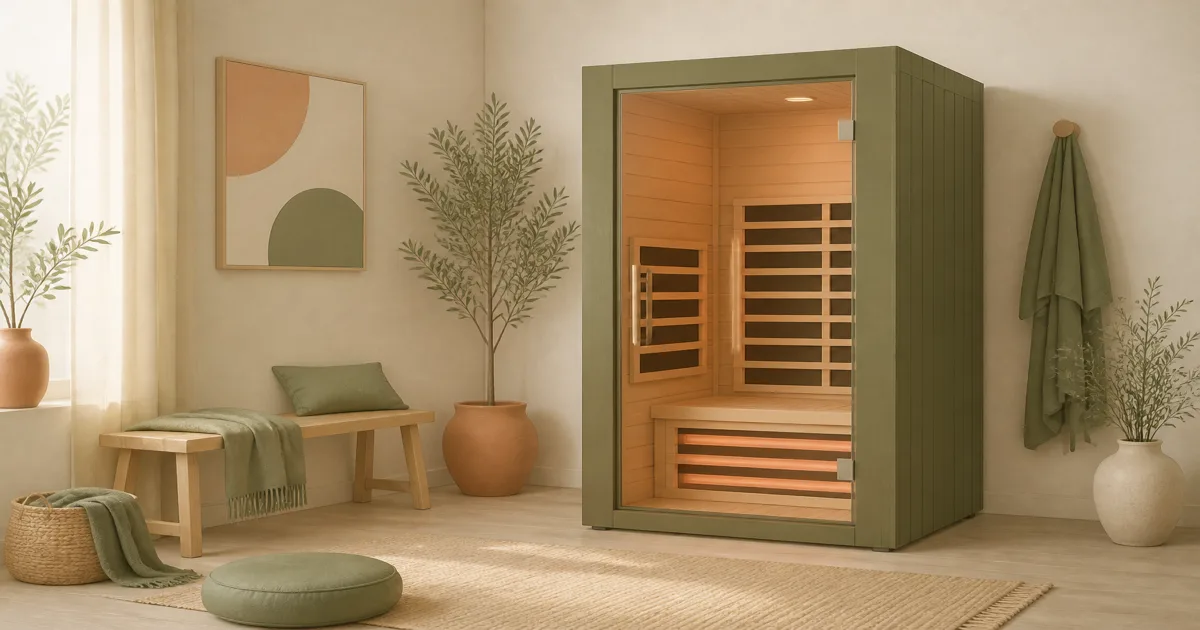
The short answer: The best infrared sauna is the cabin that fits your room path, power circuit, and seating count. Lock size and electrical needs first, then compare heater coverage, controls, and how easy the cabin is to assemble.
People search for the best infrared sauna when they want home heat without building a spa. That is a smart impulse, but size and power kill more purchases than heater brand names. This guide is a US home buying framework based on published specs and common ownership issues. We have not personally assembled every cabin on the market.
For a wider heat comparison that includes traditional options, read best home sauna. For cold recovery next to heat, see best cold plunge. More guides live on the blog, and the homepage points to current recovery picks.
Infrared vs what you might expect
Infrared saunas use panels that warm you with radiant heat. Air temperature is often lower than a traditional hot-rock sauna, but the session can still feel intense. That difference matters if you dislike very hot air or if you share the house with someone who wants a classic spa feel.
Infrared is not automatically “better.” It is usually easier to place indoors for many apartments and spare rooms because cabins arrive as kits and run on household-style power ranges more often than a full traditional build. Still verify amperage. “Plug and play” claims are not universal.
Size: one person vs two person
Seating count drives almost everything else.
One-person cabins fit more rooms, move through more doorways, and cost less to power and place. They are the default when the sauna is for you alone most nights.
Two-person cabins make sense if you will share sessions or want elbow room. They need a wider path, more floor, and often more careful electrical planning.
Measure:
- Cabin exterior width, depth, and height
- Doorway and stair turns on delivery day
- Ceiling height with a little headroom buffer
- Front clearance for the door swing
A cabin that fits the floor tile outline can still fail if the crate cannot turn the hallway corner.
Heaters, controls, and session feel
Look past marketing adjectives. Useful details include:
- Panel placement (back, sides, front, calves)
- Temperature range and how the control panel works
- Timer clarity and whether you can stop early without hunting menus
- Interior bench height and whether you can sit upright comfortably
Even coverage matters more than a single peak temperature claim. Cold shoulders and a hot lower back make people quit sessions. If calf heaters matter to you, confirm they exist instead of assuming “full body” means legs too.
Power, flooring, and safety basics
Read the electrical requirements like a checklist, not a footnote.
Confirm:
- Voltage and amperage
- Plug type or hardwire need
- Whether a dedicated circuit is recommended
- Cord path so it does not cross a wet floor
Use a level, dry surface. Avoid soft carpet that traps heat under the base unless the maker says that floor type is fine. Keep towels and mats rated for the space. Plan water nearby and a cool-down seat outside the cabin.
When in doubt on wiring, ask an electrician before the box ships. Returning a giant cabin because the outlet is wrong is expensive frustration.
Room placement that actually works
Good rooms for many buyers: spare bedroom, finished basement corner, wide garage bay with climate control, or a dedicated recovery nook.
Harder rooms: tiny bedrooms with low ceilings, humid bathrooms without a clear plan, and open living rooms where the cabin becomes the only visual object.
Also plan:
- A place to sit after you exit
- Towel storage
- Phone-free distraction if that helps you stay for the full session
- Distance from smoke alarms that hate steam or heat plumes (follow local device guidance)
Infrared is usually lower humidity than a steam room, but the cabin still changes how a small room feels.
Budget without chasing vanity features
Price climbs with size, heater count, glass doors, sound systems, and chromotherapy lights. Lights and speakers are optional. Size, power fit, and heater coverage are not.
Spend first on:
- Correct seating count
- Clear electrical match
- Solid bench and door hardware
- Controls you can read without a manual every time
Skip paying up for features you will mute on day two. A quieter, correctly sized cabin beats a larger “wow” unit that never gets assembled.
Checklist before you buy
- People: Solo most nights, or shared?
- Path: Doorways, stairs, and final room height.
- Power: Amps, plug, dedicated circuit yes/no.
- Heaters: Where panels sit, including calves if that matters.
- Assembly: Tool needs, two-person lift steps, and floor protection.
- Returns and warranty: What happens if a panel arrives damaged.
Run that list on two finalists only. Comparing twelve cabins with different missing specs wastes a weekend.
How infrared fits a broader recovery setup
Heat is one lever. Soft tissue work and cold are different levers. If you also want a chair, start with best massage chair. If cold plunge is on the list, read best cold plunge before you fill the same room twice. For traditional vs infrared tradeoffs in one place, use best home sauna.
Bottom line
The best infrared sauna is the one that clears size and power first, then feels even and simple to run. Treat lights and speakers as extras. Measure the path, confirm the circuit, and keep browsing Recoverypicks and the blog when you add cold or massage gear beside the cabin.
Frequently Asked Questions
What is the best infrared sauna for a small home?
A one-person cabin with a realistic doorway path and a circuit you already understand is usually the safest start. Confirm height clearance and rear wall gap before you fall for a two-person footprint.
Is an infrared sauna the same as a traditional sauna?
No. Infrared models heat the body with radiant panels at lower air temperatures. Traditional saunas heat the room air higher, often with a stove and rocks. Compare both in our best home sauna guide.
Do I need a dedicated outlet for an infrared sauna?
Many home infrared cabins need a dedicated circuit or a specific amperage. Read the power draw and plug type before purchase. Guessing from a photo is how people strand a cabin in the garage.
How long should an infrared sauna session last?
Common home sessions run about 20 to 45 minutes once you are used to the heat. Start shorter, drink water, and leave early if you feel dizzy or overheated.
Can I put an infrared sauna in a bedroom?
Sometimes, if height, clearance, and electrical needs work. Heat, humidity feel, and door swing still matter. Garages, basements, and spare rooms are often easier when the bedroom is already tight.