Best Ankle Brace (2026): Lace-Up Stabilizers and Daily Sleeves
The best ankle brace for most people is a lace-up with figure-eight straps you can wear in a shoe. Start with McDavid for sports support, ASO for firmer lockdown, or Sparthos sleeves for lighter daily compression.
By Harper Lin
Recoverypicks is reader-supported. As an Amazon Associate we earn from qualifying purchases. Learn more.
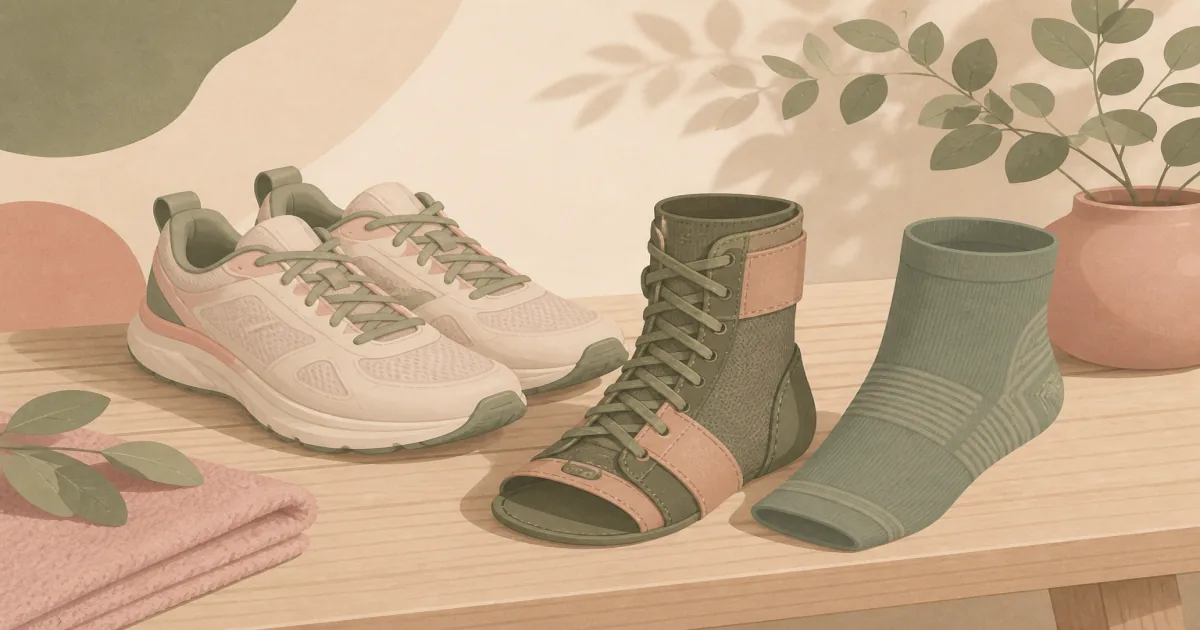
Our picks: The McDavid Lace-Up Ankle Brace with Figure-8 Straps is the best ankle brace for most home buyers. Choose the Med Spec ASO Ankle Stabilizer when you want firmer trainer-style lockdown, or the Sparthos Ankle Compression Sleeve when you only need light daily compression.
Our picks
An ankle brace should feel like controlled support, not a cast you fight all day. Buy for the job: lace-up stabilizers for sports and sprain recovery, soft sleeves for discreet daily wear. Ignore titles that promise a new personality. You want something that stays put in a shoe and still lets you walk without pins and needles.
If warmth or pump sessions are what you actually want, start with an ankle massager instead. For graduated lower-leg compression while you move, see best compression socks. Morning heel pain that stretches overnight belongs on best plantar fasciitis night splint.
Quick comparison
McDavid Lace-Up Ankle Brace with Figure-8 Straps
The McDavid Lace-Up Ankle Brace with Figure-8 Straps is the default for most people shopping this category. The figure-eight straps mimic athletic taping without needing a trainer every morning. A ventilated tongue and left-or-right fit keep it practical for basketball, pickleball, hiking, and return-to-play days after a mild sprain.
Owners who like it talk about lockdown that still allows cutting, and about sizing that should feel snug without cutting circulation. If you sit at the top of a size range, size up. A brace you cannot lace evenly is the wrong letter, not more protection.
Buy McDavid if you want the most proven lace-up lane for home athletes. Skip it if you only need a soft sleeve under dress shoes, or if a clinician already prescribed a rigid hinged brace.
Med Spec ASO Ankle Stabilizer
The Med Spec ASO Ankle Stabilizer is the step-up when you want firmer figure-eight control. Trainers have trusted this silhouette for years because the straps and cuff limit painful twists while still sliding into many athletic shoes. It is a stabilizer, not a fuzzy sleeve.
Sizing follows shoe size charts carefully. Guessing from pant size is how people end up with a brace that rides or digs. Expect a firmer first lace-up than McDavid if you are coming from soft neoprene wraps.
Buy ASO when chronic instability or a meaningful sprain made softer braces feel useless. Skip it for all-day desk wear if you hate lace-ups. Reach for Sparthos on those days instead.
Sparthos Ankle Compression Sleeve
The Sparthos Ankle Compression Sleeve is the daily-wear pick. It slides on like a sock, stays discreet under shoes, and has a huge owner trail on swelling, arch feel, and workday comfort. Sold as a pair, it covers left and right without a second checkout.
Compression sleeves do not replace a lace-up when the joint still feels loose on lateral moves. They shine for mild support, travel days, and people who will not lace a stabilizer for a grocery run.
Buy Sparthos when bulk is the dealbreaker. Skip it after a fresh high-grade sprain that needs rigid support, or if a clinician told you to immobilize.
Fit, shoes, and when to stop
Measure against the brand chart, not your optimism. Lace evenly, then walk a hallway before you decide it is perfect. Toes that tingle, skin that blanches, or pain that climbs means loosen or stop.
Expect the braced shoe to feel tighter. Many people go a half size up on that side for court shoes. Sleeves usually skip that hassle.
Wash lace-ups per the label, usually hand wash and air dry. Knit sleeves handle more laundry, but heat still kills elastic. Replace gear that has bagged out at the heel.
Sports, travel, and desk days
Court sports and quick cuts favor a lace-up. The figure-eight straps limit the roll that turns a mild sprain into a season off. Lace before you lace the shoe, then check that the tongue sits flat so hot spots do not start mid-game.
Travel days are often a sleeve job. A soft knit under a shoe is easier through security and long walks to gates than a stiff stabilizer. If your ankle already feels unstable on uneven sidewalks, pack the lace-up anyway.
Desk and couch days rarely need maximum lockdown. If you only want light compression while you work from home, Sparthos is enough. Save McDavid and ASO for the sessions that actually stress the joint.
Break-in without quitting
Day one should feel supportive, not dramatic. If you cannot finish a short walk without loosening straps three times, the size is wrong or the category is wrong for that day. Do not “tough out” numbness. That is your nervous system asking you to stop.
After a mild sprain that a clinician cleared for bracing, start with short indoor walks before you return to lateral sports. Braces help you move with more confidence. They do not erase healing timelines.
Ankle brace vs socks, massagers, and night splints
A brace is for joint control while you move. Compression socks squeeze the lower leg for circulation-style days. An ankle massager is a sit-down session. A night splint stretches the plantar fascia while you sleep. Pick the tool that matches the complaint instead of stacking everything because a video did.
Calf-only fatigue after long shifts may need a calf massager more than another ankle wrap. Foot-only soreness still belongs on best foot massager.
Common buying mistakes
Buying a sleeve for a loose joint. Soft compression feels nice and still lets the ankle roll on a cut. If instability is the complaint, buy a lace-up.
Ignoring shoe volume. A stabilizer inside a race flat can be miserable. Plan for a slightly roomier shoe on the braced side.
Copying a teammate’s size. Charts differ. Measure your foot and follow the brand table.
Sleeping in a sports lace-up. Most of these are daytime tools. Overnight stretch for plantar pain is a different product category.
Stacking ice, a max-tight brace, and a long walk on day one. Pick one stressor until you know how the ankle responds.
Bottom line
The best ankle brace for most people is a lace-up you will actually wear in a shoe. Buy the McDavid Lace-Up Ankle Brace with Figure-8 Straps first. Choose the Med Spec ASO Ankle Stabilizer for firmer lockdown, or the Sparthos Ankle Compression Sleeve when you only need light daily compression. Confirm size, then walk before you trust it on the court.
Frequently Asked Questions
What is the best ankle brace for most people?
The McDavid Lace-Up Ankle Brace with Figure-8 Straps is the best starting point. It gives tape-style support you can wear in a shoe. Move to the Med Spec ASO Ankle Stabilizer for firmer lockdown, or the Sparthos Ankle Compression Sleeve for lighter daily compression.
Lace-up brace or compression sleeve?
Lace-ups limit twisting better for sports and sprain recovery. Sleeves win for discreet all-day wear and mild swelling. If your ankle still feels unstable on cuts and landings, buy a lace-up.
How is this different from an ankle massager?
A brace supports the joint while you move. An ankle massager is a heat or compression session you sit through. Different jobs. Some people own both.
Can I wear an ankle brace in shoes?
Most lace-ups are built for that. Size carefully and expect a slightly roomier shoe on the braced side. Sleeves usually disappear under normal footwear.
How long should I wear it each day?
For sports, wear it for the session that stresses the ankle. For daily sleeves, start with a few hours and build only if comfort stays steady. Take it off if you get numbness, color change, or sharp pain.
Do I need a left and right specific brace?
Many lace-ups and sleeves fit either foot. Confirm the listing. Rigid hinged braces are more often side-specific.
When should I skip a brace and see a clinician?
New trauma you cannot walk on, progressive weakness, numbness that does not settle, or swelling that keeps growing needs a person, not a product page. A brace supports recovery. It does not diagnose a break.