Best Posture Corrector (2026): Clavicle Support That You Will Wear
The best posture corrector for most people is a figure-8 clavicle brace you can tension yourself. BraceAbility is the practical Amazon default for upper-back awareness on desk days.
By Alex Turner
Recoverypicks is reader-supported. As an Amazon Associate we earn from qualifying purchases. Learn more.
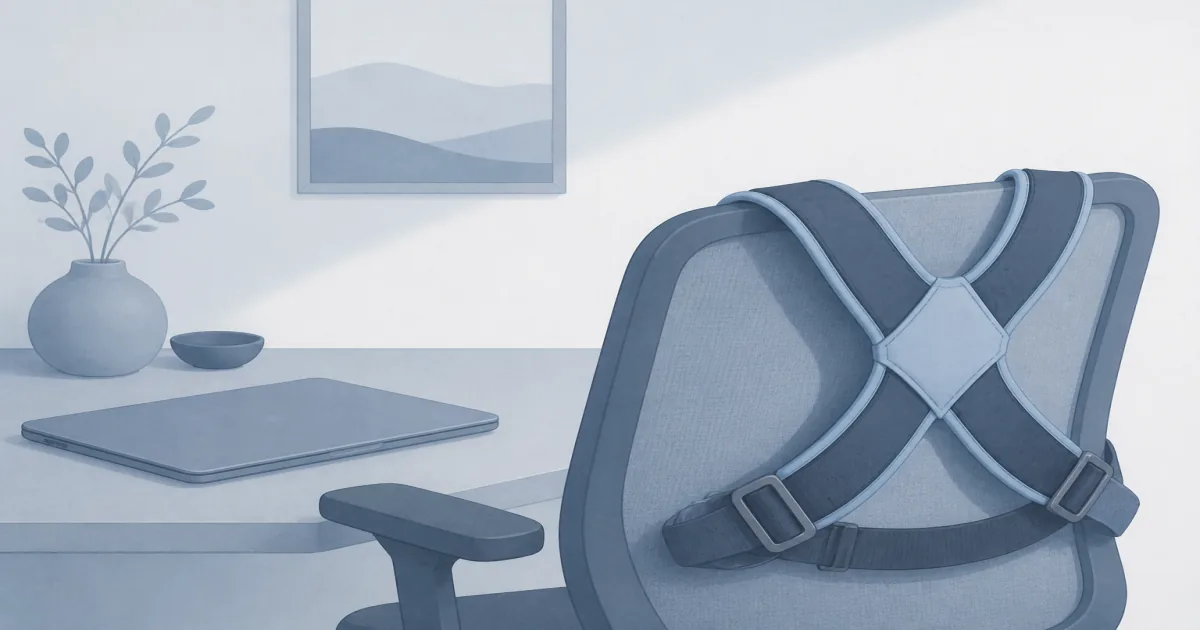
The short answer: Buy a posture corrector when you need a short, honest reminder to open the shoulders at a desk, not a full lower-back belt. The BraceAbility Clavicle Support Brace Figure-8 Posture Corrector is the best everyday Amazon pick for that job.
Our picks
A posture corrector gently pulls the shoulders back so your upper back stops folding into the screen. People reach for one after long laptop days, driving, or months of soft couches. It is a cueing tool. It is not a tall lumbar belt for warehouse lifting, and it is not an SI belt for pelvic support.
For night neck support, start with a cervical pillow. For seated lumbar cushioning, use a lumbar support pillow. For a wrap around the low back, see best back brace.
Why BraceAbility is our hero pick
The BraceAbility Clavicle Support Brace Figure-8 Posture Corrector uses padded figure-8 straps and a back pad to cue the shoulders without turning into a waist cinch. Sizing runs off under-chest circumference, which beats guessing from a shirt size. Owners who like it talk about being able to adjust tension themselves and wearing it in short blocks at home or work.
Put it on over a soft shirt the first week. Bare skin plus new straps is how underarm rub starts. Begin with 20 to 30 minutes while you answer email or cook. If you feel taller and a bit tired in the mid-back, that is the brace doing its job. If you feel numb fingers or sharp shoulder pain, loosen or stop.
Buy BraceAbility when rounded shoulders and upper-back awareness are the complaint. Skip it when your pain sits low in the lumbar or around the SI joints. Those need different tools.
Soft alternate: Pugmiia backpack-style brace
If figure-8 straps irritate or you simply prefer a backpack silhouette, the Pugmiia Back Posture Corrector is a reasonable alternate. It is fully adjustable and easy to put on for short desk blocks. The review base is smaller than BraceAbility, so read recent fit notes carefully and measure against the chart.
Treat Pugmiia as a preference swap, not a miracle upgrade. Both braces still fail if you yank them tight for eight hours on day one.
How to wear one without quitting in a week
- Measure where the brand chart says, usually under the chest or around the shoulders.
- Start short. Build time only when skin and breathing stay comfortable.
- Keep tension supportive, not theatrical. You should still reach a keyboard.
- Pair wear with breaks, not as permission to never stand up.
- Wash per the label. Sweat and lotion shorten strap life.
A brace that digs under the arms is usually too tight, too long, or the wrong size. Fix those before you blame the category.
Desk setup still matters more than straps
A posture corrector cannot rescue a laptop on your lap for six hours. Raise the screen, bring the keyboard closer, and stand up on a timer. Use the brace as a reminder during the worst block of the day, then take it off when you walk the dog or cook. That pattern builds awareness without turning underarm skin into a problem.
If evenings end with a stiff neck, a cervical pillow and a short neck massager session solve a different part of the day than a daytime shoulder cue.
Who should buy which silhouette
Figure-8 clavicle braces suit people who mainly round forward at the shoulders and want that classic “open the chest” feel. BraceAbility lives here.
Backpack-style braces suit people who find underarm wrapping annoying or who already know they prefer straps that feel like a thin pack. Pugmiia is the alternate on this page.
Tall lumbar belts are the wrong category when the complaint is upper-back slouch. Buy best back brace only when the low back is the problem while standing or lifting.
SI belts sit on the pelvis. If a clinician or your symptoms point there, stay on best sacroiliac belt.
Break-in and skin care
Wear a soft tee for the first week. Lotion under straps can make fabric slip and then dig. If you get a hot spot, stop, check size, and shorten the next session. Mild mid-back fatigue after a short block is common. Sharp joint pain is not.
Do not sleep in most posture correctors unless a clinician told you that exact model is for overnight use. Night is for pillows and recovery tools, not another harness.
Posture corrector vs lumbar brace vs SI belt
Upper-back cueing is this page. Lower-back wrapping for standing and lifting is best back brace. Pelvic-level SI support is best sacroiliac belt. Chair foam that stays behind you is best lumbar support pillow. Buy the one that matches where the problem sits.
Neck tightness after screen days may also want a neck massager in the evening. That is recovery, not posture training.
Realistic expectations
After two or three weeks of short, consistent wear, many people notice they catch themselves slouching faster even with the brace off. That is the useful outcome. Instant perfect posture for twelve hours is marketing, not how soft tissue adapts. If nothing changes because you only wore it once for an entire movie night, the product did not fail. The plan did.
Bottom line
The best posture corrector for most desk buyers is a figure-8 brace you will wear in short blocks. Start with the BraceAbility Clavicle Support Brace Figure-8 Posture Corrector. Keep the Pugmiia Back Posture Corrector as a backpack-style alternate if straps feel wrong. Measure once, start short, and fix the chair before you buy a second brace.
Frequently Asked Questions
What is the best posture corrector for most people?
The BraceAbility Clavicle Support Brace Figure-8 Posture Corrector is the best everyday starting point. It gently cues the shoulders back for desk and home wear. Try the Pugmiia Back Posture Corrector if you prefer a backpack-style alternate.
How long should I wear a posture corrector?
Start with 20 to 30 minutes while sitting or standing calmly. Add time only if comfort stays steady. All-day wear from day one usually means underarm rub and a brace you quit.
Is a posture corrector the same as a back brace?
No. A posture corrector targets rounded shoulders and upper-back awareness. A lower back brace wraps the lumbar for standing and lifting days. An SI belt sits on the pelvis. Different jobs.
Can I wear it under clothes?
Many people do with a soft tee underneath. Smooth straps before you layer. Avoid yanking so tight that the outline digs through a dress shirt.
Will it fix my posture permanently?
It is a training cue, not a personality transplant. Pair short wear blocks with a better chair setup and breaks. A cervical pillow helps nights. A brace alone will not undo eight hours of a collapsed sofa.
Who should skip a posture corrector?
Skip it after recent shoulder or clavicle injury unless a clinician cleared that style, if straps cut circulation, or if pain is new, radiating, or progressive. Also skip if your only issue is a soft office chair. Fix the seat support first with a lumbar pillow.
Figure-8 or backpack style?
Figure-8 braces shine for clavicle and rounded-shoulder cueing. Backpack styles feel familiar if you hate wrapping under both arms the same way. Fit and padding matter more than the marketing name.